Master Mediterranean Flavors with Your Easy Homemade Italian Seasoning Guide
Imagine infusing your dishes with the sun-drenched aromas of the Mediterranean, all from a simple blend you crafted yourself. That's the magic of a homemade Italian seasoning mix recipe! Often a staple in many kitchens, store-bought Italian seasoning can be convenient, but creating your own blend at home offers a world of fresh flavor, customizability, and a surprising sense of culinary accomplishment. Forget generic, one-note spice jars; this guide will walk you through mastering this versatile herb blend, transforming everyday meals into extraordinary culinary experiences.
Why Make Your Own Italian Seasoning? Unlocking Freshness & Flavor Control
You might be wondering why bother with a DIY Italian seasoning mix recipe when countless options line grocery store shelves. The answer lies in freshness, purity, and unparalleled control. Commercial blends, while convenient, can often contain fillers, anti-caking agents, or an imbalanced ratio of herbs that might not suit your palate. More importantly, pre-mixed spices can lose their potency much faster than individual, well-stored dried herbs.
Crafting your own allows you to ensure every herb is at its peak vibrancy, delivering a more aromatic and robust flavor profile to your cooking. It’s also incredibly cost-effective in the long run, as you’ll be using up those individual herb jars that might otherwise languish in your pantry. Furthermore, many commercial Italian seasoning blends include salt or even red pepper flakes. While these additions have their place, starting with a salt-free base gives you complete command over the seasoning of your dish, preventing accidental over-salting or unwanted heat. This control is paramount for any home cook who values precision and flavor balance.
It's also worth noting a fun fact: "Italian seasoning" as a specific blend isn't traditionally used in Italian cuisine itself. Rather, it was created as a convenience for cooks to quickly impart a general "Mediterranean" flavor to various dishes. Understanding this empowers you to be creative and make the blend your own, rather than adhering to a strict, historical standard.
The Essential Herbs for Your Perfect Italian Seasoning Mix Recipe
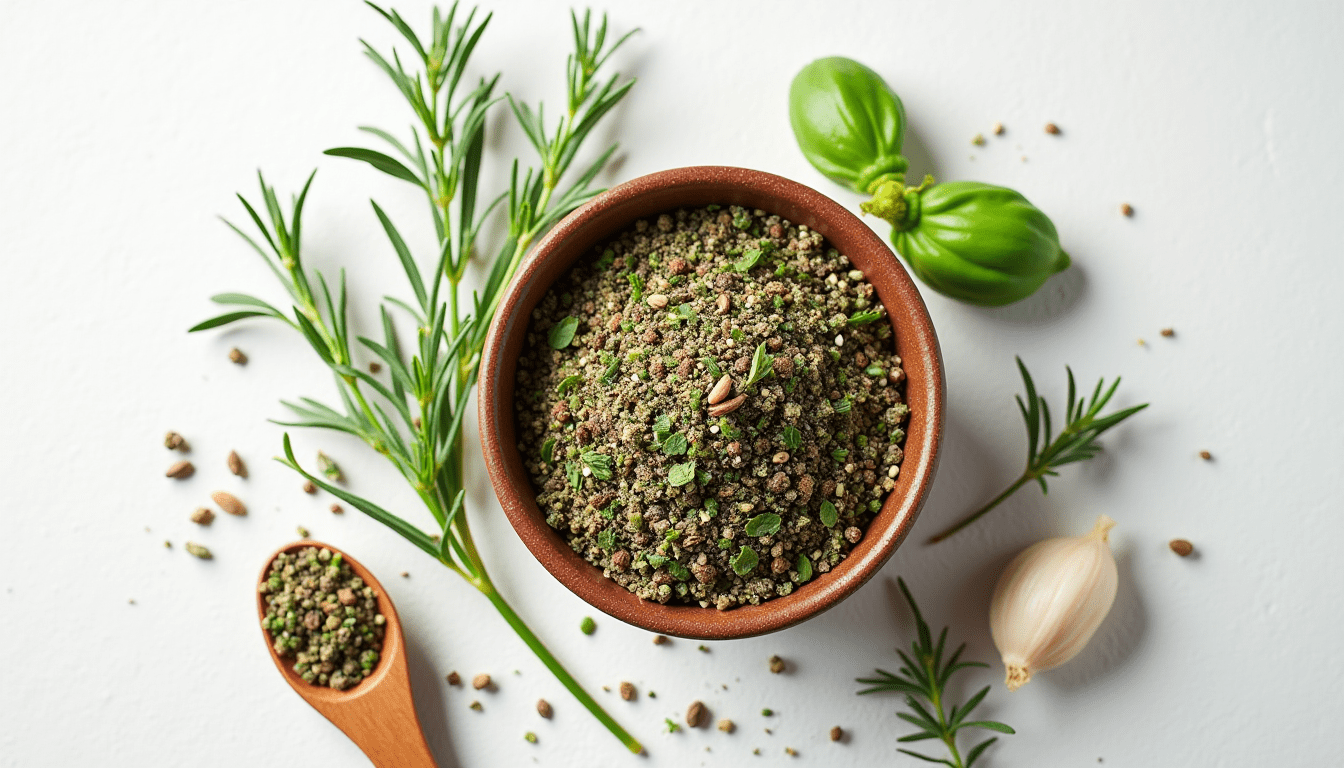
At the heart of any great Italian seasoning mix recipe are a few key dried herbs, each bringing its unique character to the blend. The beauty of this particular mix is its simplicity, relying on ingredients you likely already have in your spice rack. For this foundational blend, we focus on five robust and complementary herbs that sing together in harmony:
*
Dried Oregano: Often considered the "heavy hitter," oregano brings a bold, slightly bitter, and peppery note that is unmistakably Mediterranean. It's robust and stands up well to cooking.
*
Dried Basil: Sweet, aromatic, and slightly peppery, basil offers a lighter, more fragrant counterpoint to oregano. It evokes the classic flavors of Italian gardens.
*
Dried Thyme: Earthy, minty, and subtly lemony, thyme adds a layer of sophisticated depth. When selecting thyme, it's crucial to use the whole leaf variety, not finely ground thyme, for optimal texture and release of flavor. Ground thyme can become pasty or overwhelm the blend.
*
Dried Sage: With its warm, earthy, and slightly peppery notes, sage adds a comforting, aromatic quality that rounds out the blend beautifully. It's less common in some basic blends but elevates this particular mix.
*
Dried Rosemary: Pungent, piney, and slightly woody, rosemary provides an invigorating aroma and flavor. A little goes a long way, but its inclusion is essential for that classic Mediterranean character.
When preparing your herbs, ensure they are relatively fresh. While "dried" implies a longer shelf life, spices do lose potency over time. This
Homemade Italian Seasoning in 5 Minutes: Fresh Herbs & Versatile Uses article emphasizes the speedy nature of making your own and the benefits of using fresh (meaning recently purchased and vibrant) dried herbs.
Crafting Your Blend: A Simple Italian Seasoning Mix Recipe
Making your own Italian seasoning is astonishingly straightforward and takes mere minutes. Here’s how to bring these aromatic herbs together into your personalized, flavorful blend.
Ingredients:
(Start with roughly equal parts of each, then adjust to your preference. Many prefer slightly more oregano and basil.)
* 2 tablespoons dried oregano
* 2 tablespoons dried basil
* 1 tablespoon dried thyme (whole leaf, not ground)
* 1 tablespoon dried sage
* 1 tablespoon dried rosemary
Instructions:
1.
Measure Your Herbs: Carefully measure out each dried herb into a small bowl. If your rosemary leaves are particularly large or stalky, you might want to gently crush them between your fingers or with a mortar and pestle to release their oils and create a more uniform consistency.
2.
Combine Thoroughly: Using a spoon or small whisk, mix all the herbs together until they are evenly distributed. Take your time to ensure there are no clumps of a single herb.
3.
Store: Transfer your freshly made Italian seasoning mix recipe into a clean, airtight container. A small spice jar or a mini Mason jar works perfectly. Label it with the date of creation.
Pro Tips for an Unforgettable Blend
*
Quality Matters: The better the quality of your individual dried herbs, the more vibrant and flavorful your final blend will be.
*
Store Smart: Keep your homemade Italian seasoning in a cool, dry place, away from direct sunlight and heat (like above the stove). This will preserve its potency for longer. Properly stored, it will remain fresh and flavorful for 6 months to 1 year. While spices can last longer, they are best when freshest.
*
Salt Later: Remember, this blend is unsalted. Always add salt separately to your dishes to taste, as the salt content will vary based on what you're cooking. This allows for greater control and prevents dishes from becoming overly salty.
*
Revive Older Spices: This blend is an excellent way to use up those odds and ends of dried herbs that might be nearing the end of their peak freshness. Combining them into a mix can give them a new lease on life.
*
Customization is Key: Once you've mastered the basic "italian seasoning mix recipe," feel free to experiment. For a touch of heat, you could add a pinch of red pepper flakes *when cooking*, not to the main blend. A little dried marjoram or savory could also be interesting additions. This Farm Girl Cooks blog often highlights the benefits of customizing blends for superior taste and freshness.
Beyond the Basics: Creative Ways to Use Your Homemade Italian Seasoning
The versatility of your homemade Italian seasoning mix recipe is truly remarkable. Once you have a batch ready, you'll find yourself reaching for it constantly. It’s not just for pasta! Here are just a few ideas to get you started:
*
Bread Dipping Oil: A classic! Mix a generous amount with good quality extra virgin olive oil and a pinch of salt. Serve with crusty bread for an irresistible appetizer.
*
Roasted Vegetables: Toss chopped vegetables (broccoli, zucchini, bell peppers, potatoes, carrots) with olive oil and a healthy sprinkle of your seasoning before roasting for a burst of Mediterranean flavor.
*
Pizza Topping: Sprinkle over your pizza sauce or directly onto the cheese before baking for an enhanced flavor profile.
*
Pasta Dishes & Sauces: Elevate any Italian-inspired pasta sauce, from marinara to creamy Alfredo, with a spoonful of this blend. It's perfect for enriching the base flavors of your Bolognese or simply seasoning a quick aglio e olio.
*
Bean Dishes: Season white beans, chickpeas, or lentils for hearty, flavorful vegetarian meals.
*
Seafood: A fantastic rub for grilled shrimp, baked salmon, or any white fish. The herbs complement seafood beautifully.
*
Salad Dressings & Vinaigrettes: Whisk into your homemade salad dressings for an aromatic lift.
*
Garlic Bread: Mix with softened butter and minced garlic, then spread on bread before toasting.
*
Soups & Stews: Add depth to minestrone, lentil soup, or any hearty stew.
*
Marinades & Rubs: Use it as a dry rub for chicken, pork, or beef, or incorporate it into a wet marinade with olive oil, lemon juice, and garlic.
*
Eggs: Sprinkle over scrambled eggs, omelets, or frittatas for an easy flavor boost.
*
Meatballs & Meatloaves: A key ingredient for authentic flavor in your homemade meatballs, meatloaves, or even vegetarian patties like veggie burgers. The Vegan 8's "Homemade Italian Seasoning (The BEST!)" emphasizes how a great homemade blend can enhance such dishes. This makes it clear
The Best Homemade Italian Seasoning: Why Control Salt & Herb Choice Matters for optimal results in diverse recipes.
Conclusion
Making your own Italian seasoning mix recipe is a simple yet powerful step towards elevating your home cooking. It empowers you with control over ingredients, ensures maximum freshness, and opens up a world of aromatic possibilities. In just minutes, you can create a blend that outperforms most store-bought alternatives, ready to infuse your meals with the vibrant, sun-kissed flavors of the Mediterranean. So, gather your herbs, mix up a batch, and prepare to transform your kitchen into a haven of delicious, homemade tastes. Your palate (and your pantry) will thank you!