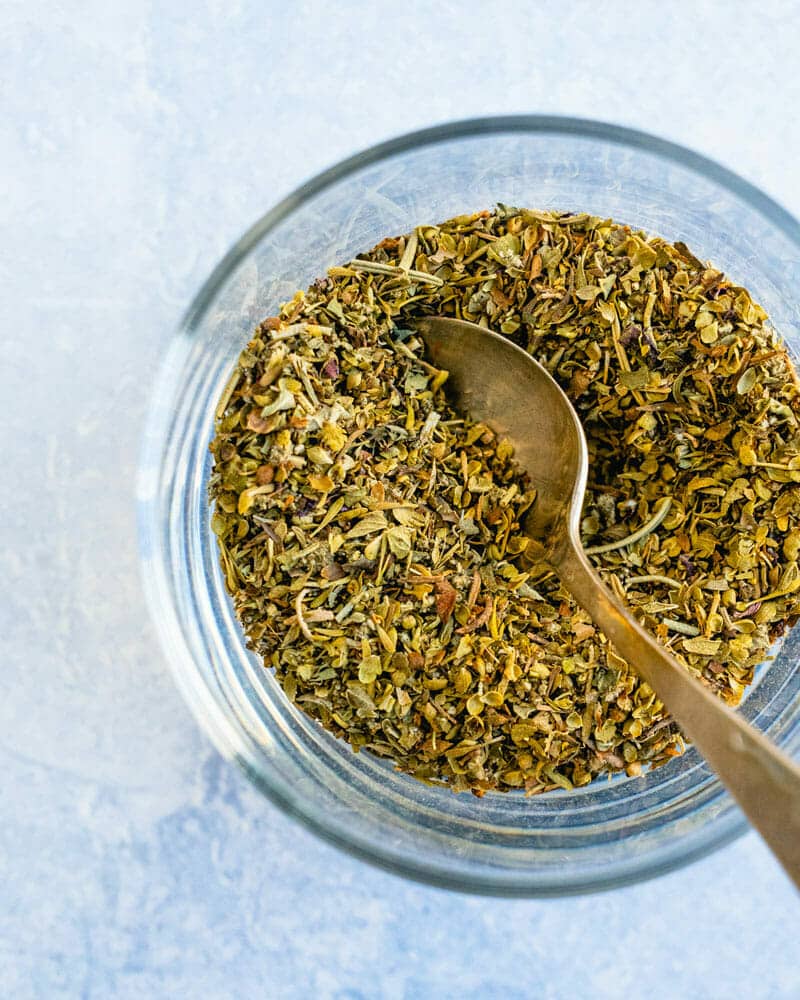
The Best Homemade Italian Seasoning: Why Control Salt & Herb Choice Matters
In the bustling world of cooking, convenience often reigns supreme. Store-bought spice blends promise a quick path to flavor, and Italian seasoning is undoubtedly one of the most popular contenders in many a pantry. But what if we told you that the secret to truly vibrant, authentic-tasting dishes lies not in a pre-mixed jar, but in your own kitchen, crafting the best homemade
italian seasoning mix recipe? This isn't just about saving a few cents; it's about unlocking superior flavor, customizing your culinary creations, and – critically – gaining absolute control over your ingredients, particularly salt and the quality of your herbs.
Commercial Italian seasoning blends are indeed a handy shortcut, designed to infuse Mediterranean-inspired flair into everything from pasta sauces to roasted vegetables. However, their one-size-fits-all approach often falls short. Many contain hidden salts or less-than-fresh herbs, which can limit their versatility and compromise the overall taste of your food. By taking a mere five minutes to blend your own, you'll discover a depth of flavor that store-bought simply can't match, elevating your cooking from good to gourmet.
The Secret to Superior Flavor: Why Homemade Italian Seasoning Reigns Supreme
It's a culinary paradox: "Italian seasoning" isn't a traditional staple in Italian kitchens. Instead, this popular blend of dried Mediterranean herbs was primarily created as a convenience product for cooks outside of Italy, offering a quick way to impart a generally "Italianate" flavor profile. This lack of an official definition means that every commercial blend can differ, often incorporating fillers, anti-caking agents, and frequently, a significant amount of salt.
The core advantage of a homemade
italian seasoning mix recipe lies in its unparalleled freshness and purity. Dried herbs, while convenient, lose potency over time. When you make your own blend, you control the freshness of the individual herbs, ensuring their essential oils are still vibrant and fragrant. This translates directly to a more intense, aromatic, and nuanced flavor in your dishes. You’re not just mixing spices; you’re orchestrating a symphony of flavors tailored to your palate and specific culinary needs. The difference in aroma alone between a freshly mixed blend and one that has sat on a shelf for months can be astonishing, directly impacting the final taste of your food.
Decoding the Herb Symphony: Essential Ingredients for Your Italian Seasoning Mix Recipe
At its heart, a classic
italian seasoning mix recipe is a harmonious blend of five key dried herbs, each contributing its unique voice to the choir. These are typically:
*
Dried Oregano: The robust, earthy backbone of the blend, offering slightly bitter, peppery notes. It's synonymous with Mediterranean cuisine.
*
Dried Basil: Providing a sweet, aromatic, and slightly peppery counterpoint, basil lends a classic "Italian" fragrance. Its delicate sweetness balances oregano's boldness.
*
Dried Thyme: With its woody, minty, and subtly floral undertones, thyme adds a layer of sophisticated depth. It’s crucial to use the *whole leaf* variety for this blend, not finely ground thyme, to ensure proper texture and flavor release.
*
Dried Sage: Lending a warm, savory, and slightly peppery-eucalyptus flavor, sage provides an earthy richness that grounds the brighter notes of the other herbs.
*
Dried Rosemary: Distinctive for its piney, lemony, and woody aroma, rosemary adds a pungent, slightly camphorous zest, providing an aromatic lift to the blend.
While these five form the traditional core, the beauty of a homemade blend is the flexibility to experiment. Some cooks might add a touch of marjoram for a sweeter, more delicate herbal note, or even a pinch of dried parsley for freshness and color. When selecting your herbs, remember that even dried herbs have a shelf life. Opt for those with vibrant colors and strong aromas; dull, faded herbs indicate a loss of potency. For more ideas on perfecting your blend, you might want to check out
Master Mediterranean Flavors: Your Easy Homemade Italian Seasoning Guide, which offers further insights into balancing these aromatic powerhouses.
The Unsung Hero: Mastering Salt Control in Your Italian Seasoning Mix Recipe
Perhaps the most compelling reason to craft your own
italian seasoning mix recipe is the ability to control – or completely omit – salt. This might seem like a minor detail, but it's a game-changer for culinary versatility and health. Many commercial spice blends include salt as a primary ingredient, not just for flavor but often as a cheap filler. While salt is essential for enhancing flavor, integrating it directly into a seasoning blend presents several disadvantages:
1.
Limited Versatility: A salted blend means you can't use it freely in dishes where salt content is already high (e.g., brines, cured meats, certain cheeses) or in recipes that require specific salt measurements. You're forced to guess and adjust, risking an over-salted meal.
2.
Dietary Restrictions: For individuals monitoring sodium intake due to health concerns, pre-salted blends are often off-limits or require careful calculation, adding unnecessary complexity.
3.
Flavor Customization: Different ingredients and cooking methods require varying amounts of salt. Roasted vegetables might need more salt to crisp up, while a delicate fish fillet might only need a pinch. A salt-free seasoning allows you to apply the herbs generously and then season with salt independently, precisely to your taste and the needs of the dish. This ensures the salt enhances, rather than overwhelms, the subtle flavors of the herbs.
Therefore, the pro tip is simple yet profound: always make your homemade Italian seasoning salt-free. Add salt separately to your food as you cook, tasting along the way. This allows the complex aromas of oregano, basil, thyme, sage, and rosemary to shine through, truly complementing your ingredients rather than being masked by excessive sodium.
Crafting Your Perfect Blend: A Step-by-Step Italian Seasoning Mix Recipe & Pro Tips
Making your own
italian seasoning mix recipe is incredibly straightforward, requiring just minutes. Here’s a foundational recipe that provides a balanced, versatile blend:
Ingredients:
* 2 tablespoons dried oregano
* 2 tablespoons dried basil
* 1 tablespoon dried thyme (whole leaf)
* 1 tablespoon dried sage
* 1 tablespoon dried rosemary
Instructions:
1. Combine all the dried herbs in a small bowl.
2. For a finer blend or to release more aroma from tougher herbs like rosemary, gently crush the mixture with your fingers or lightly grind it using a mortar and pestle. Be careful not to pulverize it into a powder unless that is your desired consistency.
3. Transfer the finished blend to an airtight container.
Pro Tips for Success:
*
Quality Herbs: Even with dried herbs, quality matters. Source your herbs from a reputable supplier. Fresher dried herbs will have more vibrant colors and stronger aromas.
*
Light Toasting (Optional): For an extra layer of depth, you can lightly toast your dried herbs in a dry pan over low heat for 1-2 minutes before mixing. This awakens their essential oils, intensifying their flavor. Let them cool completely before blending.
*
Crushing Power: Especially with herbs like dried rosemary, a gentle crush can help release more of their aromatic oils and ensure they integrate better into the mix. However, avoid over-grinding, as this can make the blend dusty.
*
Storage: Store your homemade Italian seasoning in an airtight container in a cool, dark place away from direct sunlight and heat. This will preserve its potency for 6 months to 1 year. While it remains safe to use beyond that, its flavor will gradually diminish. For a quick guide on getting started, refer to
Homemade Italian Seasoning in 5 Minutes: Fresh Herbs & Versatile Uses.
Unleashing the Flavor: Creative Ways to Use Your Homemade Italian Seasoning Mix Recipe
Once you have your homemade
italian seasoning mix recipe ready, the culinary possibilities are virtually endless. This versatile blend can elevate almost any dish, adding a touch of Mediterranean warmth and herbaceous complexity.
*
Bread Dipping Oil: Combine your seasoning with good quality olive oil and a pinch of salt. Serve with crusty bread for an irresistible appetizer.
*
Roasted Vegetables: Toss vegetables like zucchini, bell peppers, onions, or potatoes with olive oil, your Italian seasoning, and salt before roasting for a flavorful side dish.
*
Pizza & Pasta Perfection: Sprinkle generously over the cheese of your homemade pizza or stir into your favorite marinara sauce for an instant flavor boost.
*
Protein Power: Use it as a dry rub for chicken, fish (like grilled shrimp or baked salmon), or even tofu and tempeh before grilling, baking, or pan-frying.
*
Soups & Stews: Add a teaspoon or two to lend depth to minestrone, lentil soup, or bean dishes.
*
Homemade Dressings & Marinades: Whisk into vinaigrettes or use it as a base for marinades for meats and vegetables.
*
Garlic Bread: Mix with softened butter and minced garlic, then spread over bread and toast for a classic, aromatic side.
*
Beyond the Expected: Don't limit yourself to "Italian" dishes. Try sprinkling it on scrambled eggs, mixing it into hamburger patties, or even seasoning homemade croutons. Its robust flavor profile makes it surprisingly adaptable to many cuisines.
The beauty of a salt-free blend means you can be liberal with your application, knowing you can adjust the salt level independently. Experiment with different quantities and discover how this simple blend can transform your everyday meals into something extraordinary.
Conclusion
Crafting your own
italian seasoning mix recipe is a small step that yields immense culinary rewards. By choosing fresh, high-quality dried herbs and, most importantly, controlling the salt content, you gain unparalleled flexibility and depth of flavor that no store-bought blend can offer. This homemade powerhouse will not only elevate your Italian-inspired dishes but become a versatile secret weapon in your spice cabinet, allowing you to infuse a touch of aromatic magic into countless meals. Embrace the simplicity and superior taste of homemade – your palate (and your health) will thank you.